
Don't wait for an emergency to be prepared
Over 20 years ago, an obscure inventor by the name of John Bedini invented a generator which he claimed
pulled energy from the vacuum!
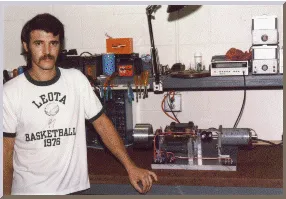
In spite of a great deal of ridicule
many people all over the world were able to duplicate this device
and got the same results that he did
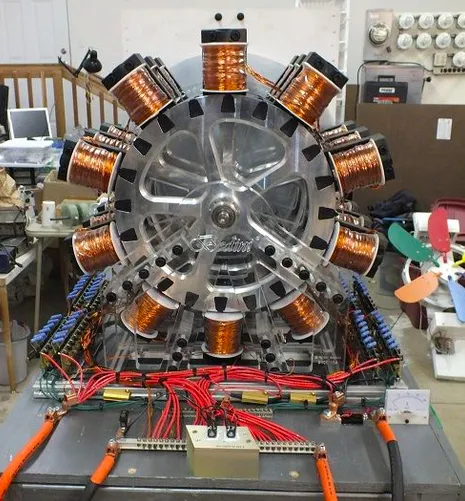
Thrilled and excited by this discovery,
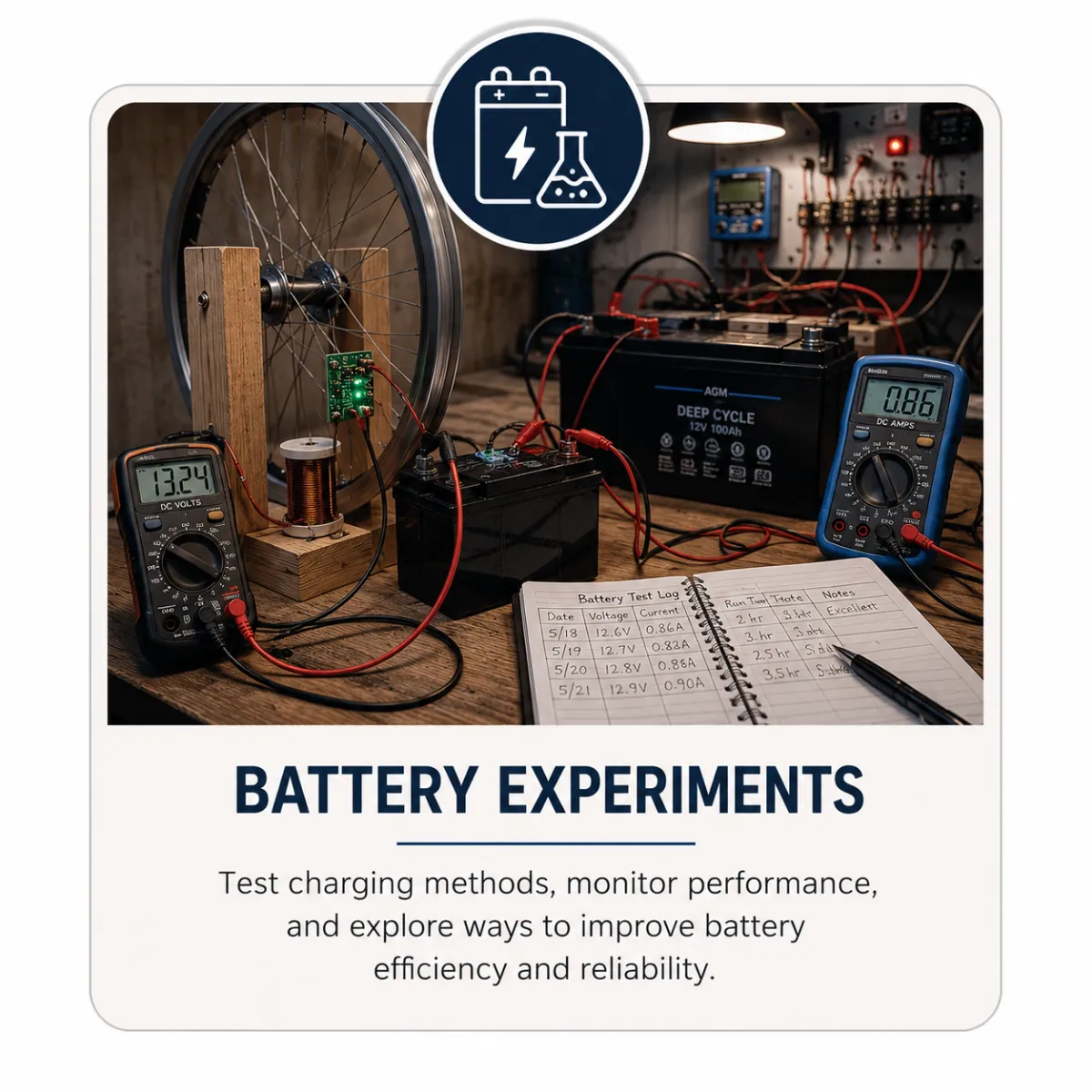
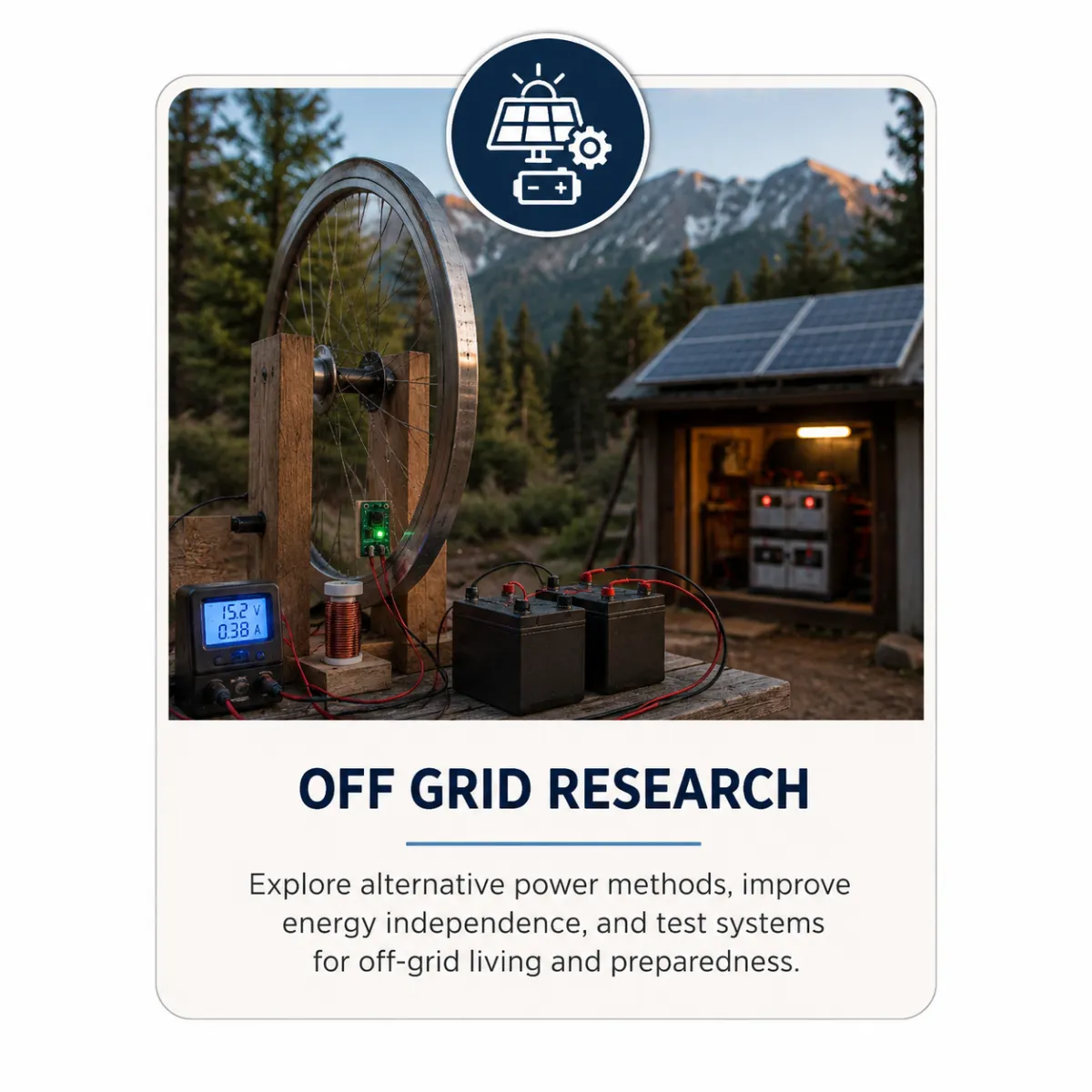
many people were inspired to develop their own devices, based on the basic principles. Which they used for charging batteries, off grid use, emergency preparedness, etc.
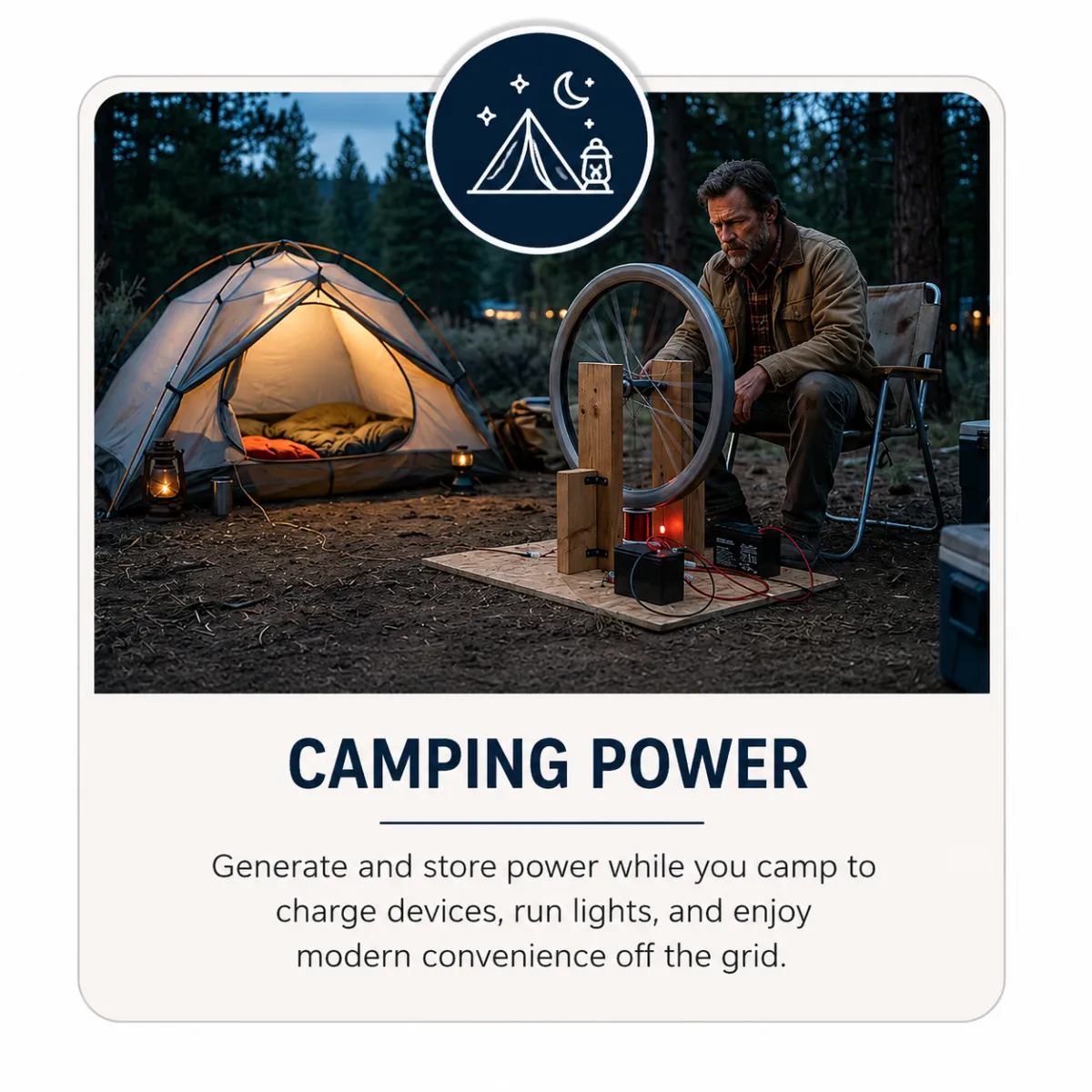
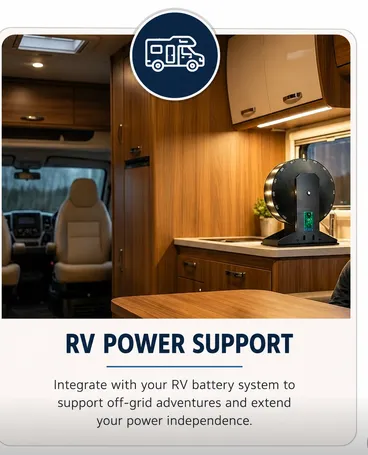
it was used for Camping, charging Batteries, RV's, Off-Grid
However, there was a Major problem
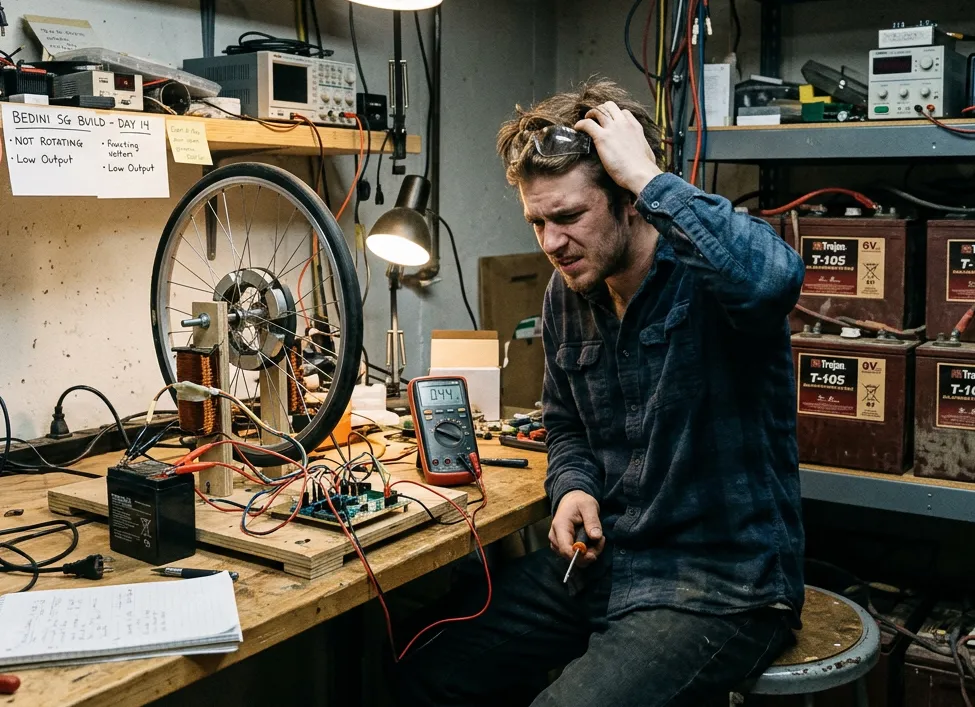
Because not everyone was good at electronics,
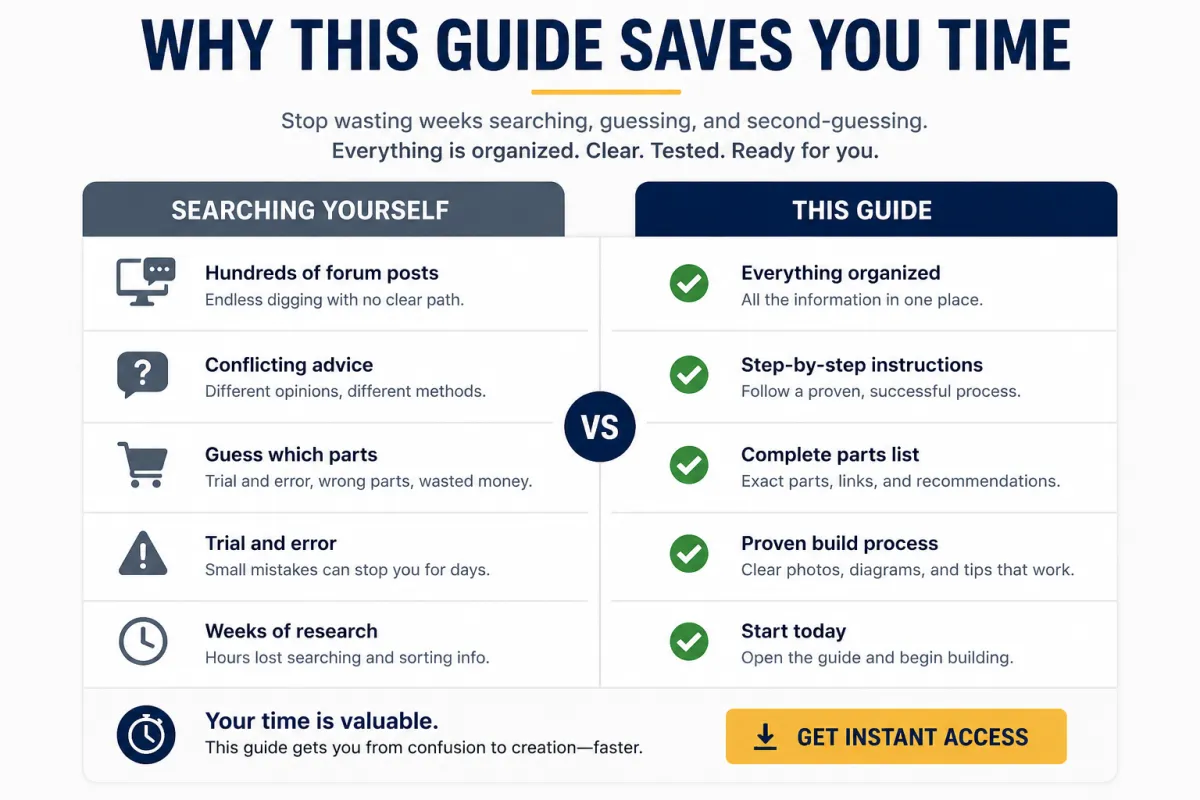
and because information on how to build one of these devices was scattered across forum posts, conflicting wiring diagrams, and a lot of heresay,
Many never completed a working generator that they could use.
That's why this Guide was Created
One complete illustrated manual with everything you need. All questions answered, including the hacks they don't tell you about on forums.
You will not find another manual like this anywhere.
Written for BEGINNERS
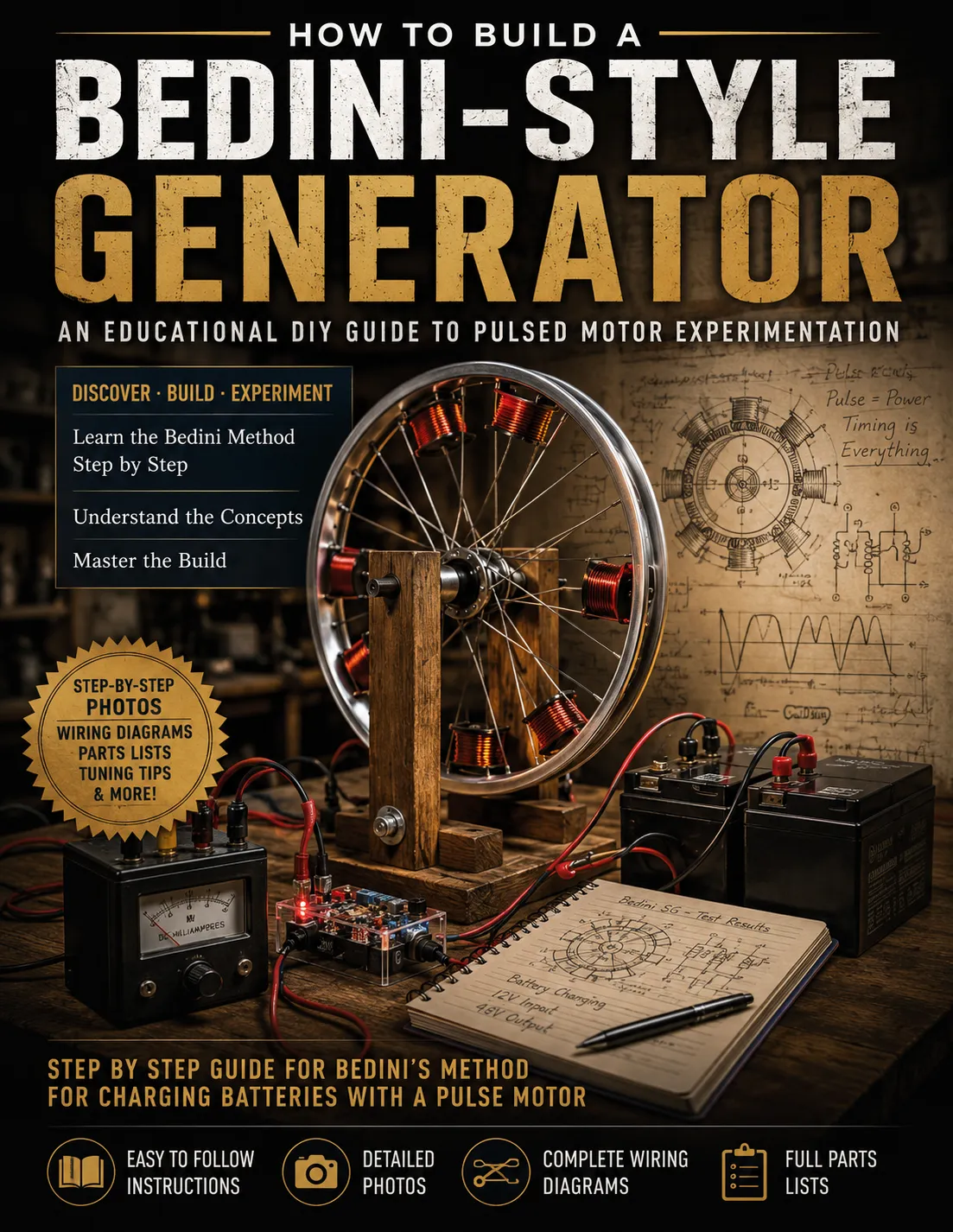
Everything You Need to Build One
✔ Complete Parts List
Know exactly what you need and where to get it.
✔ Coil Winding Instructions
Step-by-step guidance with photos.
✔ Wiring Diagrams
Clear schematics you can follow.
✔ Step-by-Step Assembly
Detailed photos for every major step.
✔ Tuning & Testing Guidance
Learn how to optimize and measure results.
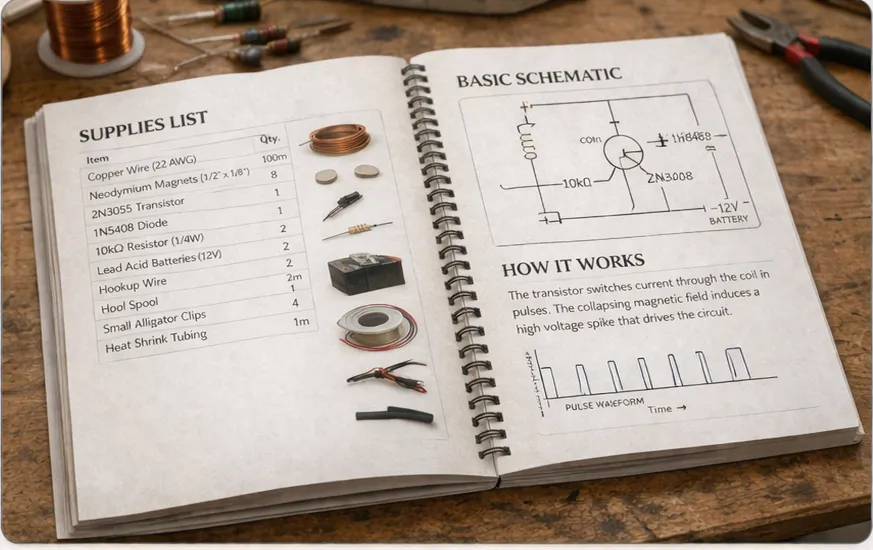
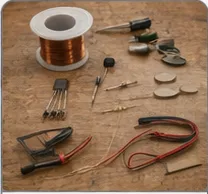
Supplies List
Everything you need in 1 place.
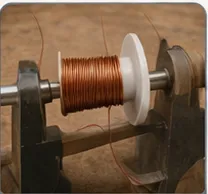
Coil Winding
Photos and Tips for perfect coils everytime.
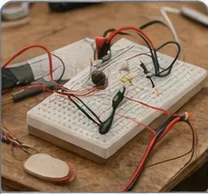
Build Steps
Follow along with clear, real-world photos.
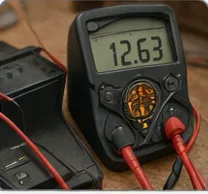
Tuning & Testing
Measure, adjust, and improve performance.
Build Your Own Bedini-Style Pulse Magnet Generator
✓ Instant PDF Download
✓ 34 Illustrated Pages
✓ Complete Parts List Included
✓ Beginner-Friendly Instructions
✓ One-Time Purchase — No Subscription
34-page illustrated PDF
From parts to working experiment

Join Thousands of Experimenters
Builders around the world continue exploring Bedini-style pulse motor systems for research, learning, and experimentation.
Start Building Today
✔ Instant PDF Download
✔ 34 Pages
✔ Complete Parts List
✔ Beginner Friendly
✔ Step-by-Step Photos
✔ Wiring Diagrams
✔ Lifetime Access
Regular $39
Introductory price $19
Learn a project that thousands of experimenters have explored over the past two decades—organized into one beginner-friendly guide.
FAQ
Is the generator powerful enough to run my home?
No. The introductory design in the Guide is a small experimental system intended to teach the underlying principles. It can be used for battery charging experiments to keep batteries charged for small loads such as phones, LED lighting, radios, and similar devices. Performance depends on many variables, including construction quality, components, tuning, and operating conditions. The purpose of the Guide is to give you a solid foundation—how you choose to expand or modify your own experimental projects afterward is entirely up to you.
Is this Guide too technical for someone without electronics or DIY experience?
Not at all. The Guide was written specifically for beginners. It uses real photographs of the actual build, a complete parts list, clear wiring diagrams where needed, and simple step-by-step instructions in plain English. You won't be left trying to decipher complicated engineering schematics or piece together information from internet forums. Just follow the Guide one step at a time.
Will I need to spend hours researching online to find out 'hidden hacks' in the construction?
No. That's exactly what this Guide was designed to eliminate. Instead of piecing together information from dozens of forum posts, you'll have one organized manual with a complete parts list, clear wiring diagrams, real build photos, and straightforward instructions that guide you through the process from start to finish.
What if I get stuck? Is support available?
The Guide was designed to make the build as straightforward as possible. It includes step-by-step instructions, actual photographs of the build, clear wiring diagrams, and a complete parts list so you can follow along with confidence. If you prefer not to build certain sections yourself, professionally assembled components and complete kits developed by Ryan Thompson are available through SouthwestGadget, allowing you to complete your project with ready made parts to make it even easier.

Innovation
Fresh, creative solutions.

Integrity
Honesty and transparency.

Excellence
Top-notch services.
Disclaimer
This guide is provided solely for educational, historical, and experimental purposes for individuals interested in pulse motor technology and related electronic experimentation.
The guide explains one method of constructing a Bedini-style experimental device using commonly available components. It is not intended as engineering certification, professional electrical advice, or a guarantee of performance, energy production, battery charging capability, efficiency, commercial suitability, or any other specific result.
Any descriptions, historical references, technical explanations, opinions, demonstrations, or performance-related statements concerning Bedini-style technology originate from publicly available historical materials and are presented by SouthwestGadget for informational purposes. SouthwestGadget and Quantaneity, LLC do not independently verify or guarantee such statements.
Purchasers are solely responsible for safely constructing, testing, operating, and complying with all applicable laws and electrical safety practices. The purchaser assumes all risks associated with experimentation and use.
No guarantee is made that users will achieve identical results, performance levels, battery charging rates, efficiency, or any particular outcome. Results depend on numerous variables including construction quality, component selection, tuning, operating conditions, measurement methods, and user experience.
By purchasing or using this guide, you acknowledge that you have read and agree to the complete Terms of Use and Privacy Statement, which govern your purchase and use of this guide.

COMPANY
CUSTOMER CARE
LEGAL
Copyright 2026. Southwest Gadget. All Rights Reserved.